
Canine epilepsy studies score funding
In honour of Epilepsy Awareness Month, the AKC Canine Health Foundation has awarded grants totalling more than US$375,000
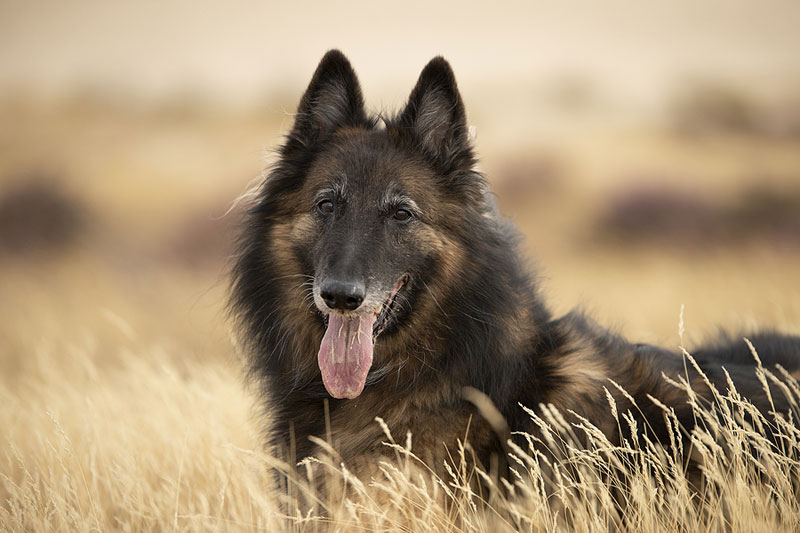 Genetic variations associated with idiopathic epilepsy and the use of cannabidiol (CBD) for seizure reduction in dogs with refractory epilepsy are among the focus of projects set to receive funding from the American Kennel Club (AKC) Canine Health Foundation (CHF).
In honour of Epilepsy Awareness Month (November), the foundation is awarding more than US$375,000 in grants to research projects focused on canine seizures and epilepsy.
The newly funded studies include:
- “Investigating neuronal network connectivity in dogs with idiopathic epilepsy using functional magnetic resonance imaging” (principal investigator: Karen R. Muñana, DVM, MS, DACVIM [neurology]; North Carolina State University), which seeks to evaluate blood flow and brain activity in functionally connected regions of the brain in epileptic dogs;
- “Validating genetic variants underlying canine idiopathic epilepsy and exploring their functional roles in the Belgian Sheepdog and Tervuren” (principal investigator: Anita M. Oberbauer, PhD; University of California, Davis), which looks at genetic variations associated with idiopathic epilepsy and the functional changes associated with them;
- “Assessment of frequency of seizures and antiseizure drug (ASD) efficacy by electroencephalography (EEG) for dogs with epilepsy” (principal investigator: Fiona James, DVM, MS, DACVIM [neurology]; University of Guelph), which seeks to evaluate the number and type of seizures and the effects of anti-seizure drugs in epileptic dogs using electroencephalography (EEG); and
- “A dose finding study of cannabidiol in dogs with idiopathic epilepsy” (principal investigator: Stephanie McGrath, DVM, MS, DACVIM [neurology]; Colorado State University), a clinical trial to determine the dose, safety, and tolerability of CBD for seizure reduction in dogs with refractory epilepsy.
Epilepsy is the most common medical neurologic disease in dogs, CHF reports. Despite appropriate treatment, it is estimated 30 per cent of affected dogs will continue to have seizures and many experience adverse effects from anti-seizure medications.
“Epilepsy has a profound impact on the lives of affected dogs and their owners,” says the foundation’s vice-chair, Mary O. Smith, BVM&S, PhD, DACVIM (neurology). “Promising new treatments are being studied with CHF funding. Genetic studies also are underway to identify dogs at risk of developing epilepsy, to inform breeding decisions, and to identify new treatment targets. CHF and its donors are committed to supporting this innovative research.”
Since its founding in 1995, CHF and its donors have invested more than US$2.8 million to study canine epilepsy.
For more on the foundation’s epilepsy research, click here.

Sign up for our newsletter
Get all the latest news and features from Veterinary Practice News Canada. Submit your email below to get our twice-monthly newsletter.
Popular Articles
-
1
-
2
-
3
-
4
-
5
Read the Latest Issue

