
Diet is an active influencer of brain health, research shows
Experts reiterate selective use of antimicrobials in patients as a way to reduce the risk of chronic disease later in life.
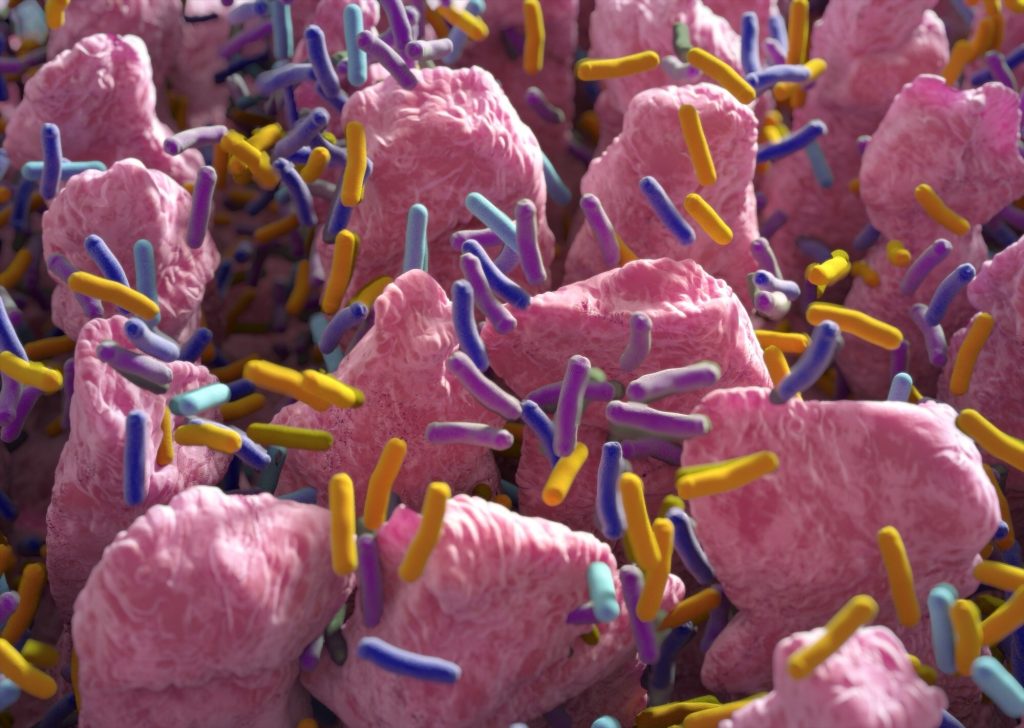
A growing body of veterinary research links gastrointestinal (GI) health with neurological and behavioural conditions in pets. In light of this evidence, experts also reiterate selective use of antimicrobials in patients may reduce the risk of chronic disease later in life.
Global scientists and veterinary experts shared emerging evidence on the gut-brain axis at the Purina Institute Microbiome Forum in November 2025. The evidence shows the axis operates through microbial metabolites, immune signalling, and neural pathways. This, experts say, reframes certain neurologic and behavioural disorders as systemic conditions with GI contributors, highlighting the role of diet and precision nutrition. Diet is an active influencer of brain health, the evidence suggests.
The research underscores a strong connection between gut and brain health. It links GI health to conditions, such as epilepsy, paroxysmal dyskinesia, and mood regulation in dogs. The findings also highlight how diet and precision nutrition can help manage certain neurologic and behavioural disorders.
“The latest science underscores the gut–brain axis as a clinically actionable pathway rather than a theoretical concept,” says Julia Albright DVM, MA, DACVB, in a press release.
Speakers at the Microbiome Forum also emphasized the need for selective antimicrobial use. The Purina Institute says while antimicrobials remain essential tools in veterinary medicine, their use must be balanced against growing evidence that they can disrupt the gut microbiome. Consequently, there may be long-term effects on gastrointestinal, skin, and systemic health.
The institute says repeated exposure to antimicrobials can reduce microbial diversity, weaken the gut barrier, and increase the risk of chronic disease later in life. Purina argues veterinarians can protect microbiome health by using diagnostics, assessing disease severity, and considering microbiome impact when prescribing antimicrobials. This approach helps preserve antimicrobial effectiveness while minimizing unintended disruption to the gut microbiome
“This groundbreaking science reframes antimicrobial use through the microbiome–empowering veterinarians to protect both immediate patient outcomes and long-term health,” says Jan Suchodolski, DVM, PhD, AGAF, DACVM.

Sign up for our newsletter
Get all the latest news and features from Veterinary Practice News Canada. Submit your email below to get our twice-monthly newsletter.
Read the Latest Issue

