
Canada’s dog import rules still disrupting veterinary and rescue networks
Canada’s prolonged dog import restrictions are continuing to ripple across veterinary clinics and rescue organizations, with no clear end in sight.
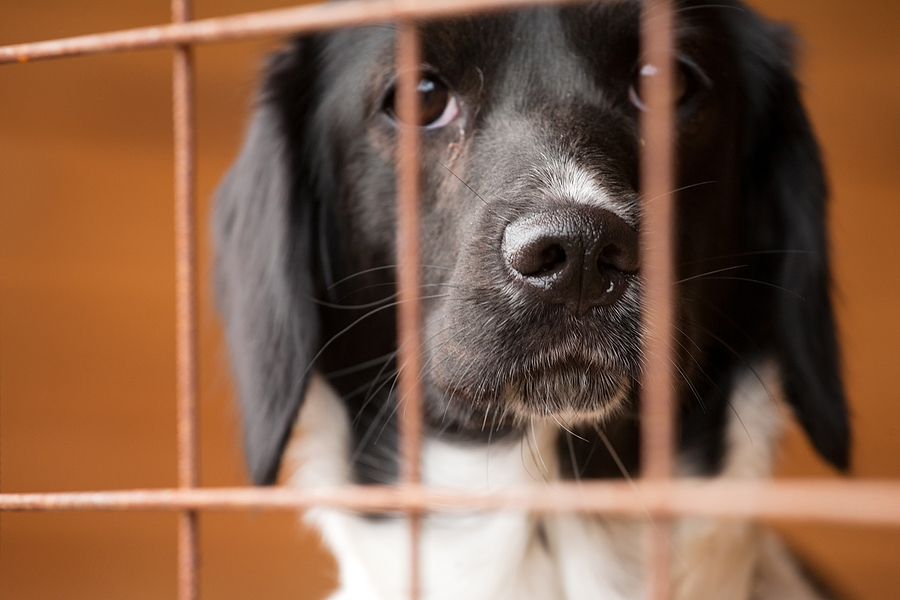
Canada’s ongoing restrictions on international dog imports continue to impact veterinary practices and animal rescue operations nationwide.
The Canadian Food Inspection Agency (CFIA) introduced a “temporary” ban in 2022, prohibiting the import of commercial dogs—including rescue animals—from more than 100 countries considered high-risk for canine rabies. The policy remains in place years later, prompting concern from rescue groups and animal welfare advocates.
The CFIA has maintained the measure as a public health safeguard, citing the risk of introducing rabies through imported dogs.
However, stakeholders told CBC News, the prolonged restrictions are straining rescue networks and limiting access to adoptable animals, with potential downstream effects for veterinary clinics involved in intake exams, vaccinations, and ongoing care.

Sign up for our newsletter
Get all the latest news and features from Veterinary Practice News Canada. Submit your email below to get our twice-monthly newsletter.
Read the Latest Issue

