
Canada sees 231 per cent increase in canine Lyme disease claims
Trupanion data points to growing Lyme risk for dogs in Canada.
May 27, 2026
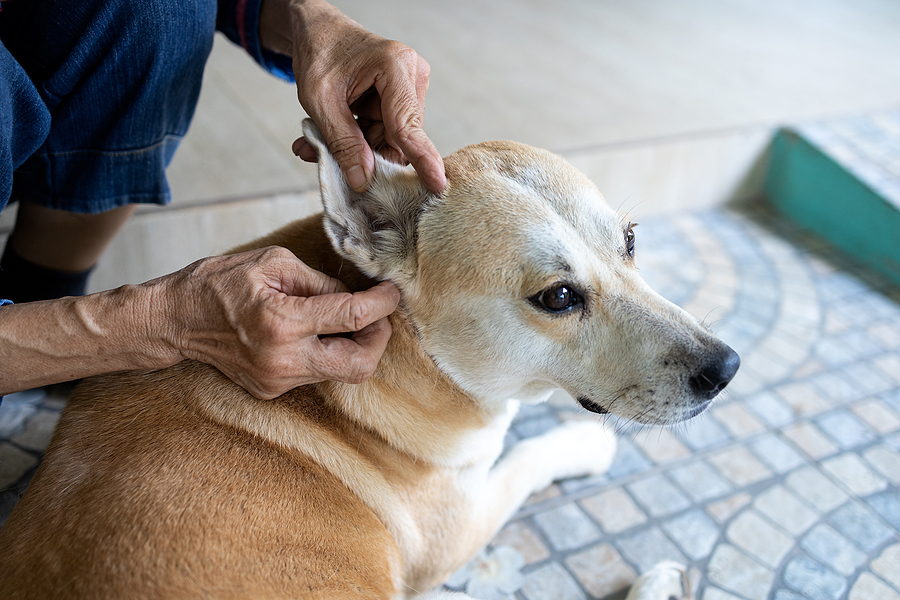
Recent data from Trupanion indicates that Lyme disease is increasingly becoming a significant issue for dogs, especially in certain regions of Canada and the Northeastern U.S.
An analysis of over 7.5 million pet insurance claims reveals notable increases in Lyme-disease-related claims in both countries, with some areas seeing alarming spikes in recent years.
Key findings from the study include:
- In Canada, there has been a staggering 231 per cent increase in Lyme-disease-related claims for dogs since 2020.
- Quebec and New Brunswick have experienced the most pronounced increases in claim rates, at 859 per cent and 553 per cent, respectively, highlighting heightened Lyme activity in these provinces.
- Ontario and Nova Scotia reported the highest overall claim counts and rates in Canada, indicating a significant risk of exposure for dogs.
- In the U.S., the frequency of Lyme-related claims has risen modestly—by eight per cent nationally since 2020.
- Serious Lyme complications, such as Lyme nephritis, represented three to four per cent of claims, with some veterinary bills exceeding $20,000 (case studies included in the full report).
- The breeds most affected by Lyme-related claims across North America include the Chesapeake Bay Retriever, Bernese Mountain Dog, Nova Scotia Duck Tolling Retriever, Puggle, and Great Pyrenees.
These findings align closely with the spread of human Lyme disease hotspots and highlight the growing effects of climate change and tick migration on pets throughout North America.

Sign up for our newsletter
Get all the latest news and features from Veterinary Practice News Canada. Submit your email below to get our twice-monthly newsletter.
Read the Latest Issue

September 2026
Sponsored By
