
Ontario bans invasive research on dogs and cats under Bill 75
New legislation introduces steep penalties for violations as animal welfare advocates push for stronger oversight, transparency, and an end to pound seizure practices.
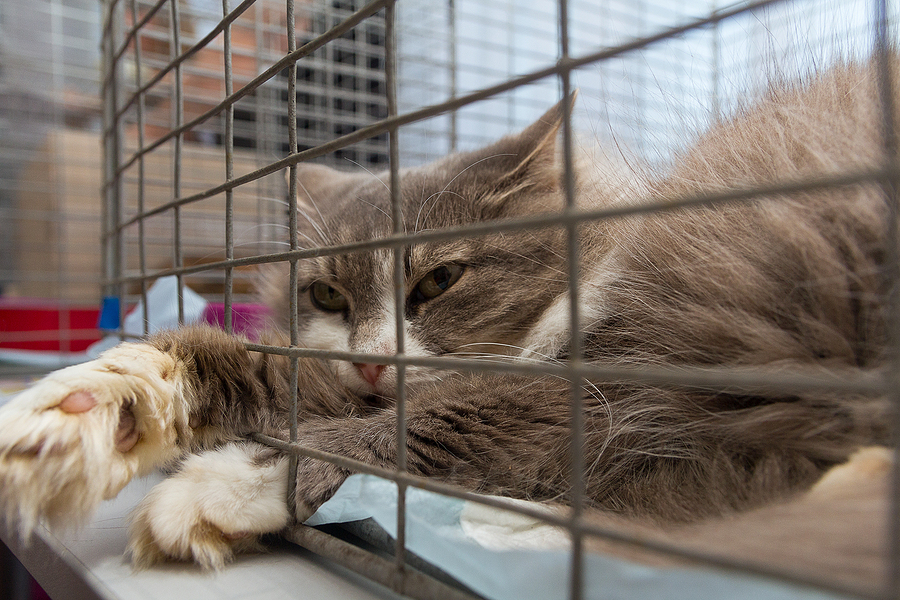
Ontario has passed legislation banning invasive medical research on dogs and cats, marking a significant change in animal research policy. Schedule I of Bill 75, the Keeping Criminals Behind Bars Act, 2026, passed third reading without amendments in May 2026 following advocacy from animal protection organizations, including Humane World for Animals. The measure was introduced after a whistleblower reportedly claimed invasive and lethal cardiac experiments involved dogs and puppies at a laboratory in London, Ont.
Under the legislation, violations can result in fines of up to $260,000 and potential jail time for individuals, while corporations may face fines of up to $1 million.
“We are thrilled to see Ontario move forward with this landmark legislation, which is a major step towards ending the use and breeding of dogs and cats in research. By recognizing that dogs and cats deserve protection from invasive experimentation, the government is setting an important precedent for animal welfare in Canada. We welcome this progress and clear commitment to strengthening protections for animals in research. As the regulatory process advances, we look forward to working closely with the Ontario government to ensure the full spirit and intent of this legislation are meaningfully implemented,” says Shaarika Sarasija, PhD, program director, research and regulatory science at Humane World for Animals.
The organization is now calling for stronger regulations around veterinary research exemptions, an end to Ontario’s pound-seizure practice, and greater transparency in reporting animal use and outcomes.
Sign up for our newsletter
Get all the latest news and features from Veterinary Practice News Canada. Submit your email below to get our twice-monthly newsletter.
Read the Latest Issue

