
Nova Scotia explores launching veterinary medicine program to tackle shortage
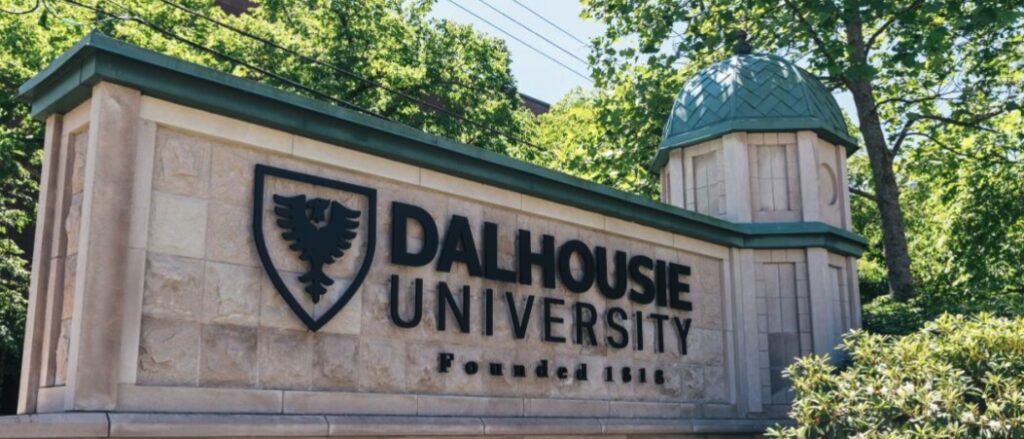
According to a report by Frances Willick for CBC News, the Nova Scotia government has approached Dalhousie University with a proposal to establish a Doctor of Veterinary Medicine (DVM) program at its agricultural campus in Truro. This initiative, included in Dalhousie’s latest funding agreement with the Department of Advanced Education, is aimed at addressing a growing demand for veterinarians in the province, particularly those specializing in large animals. Both Dalhousie University and the Department of Advanced Education declined interviews with CBC News.
In a statement to CBC News, the Department of Advanced Education emphasized that the proposal is in early evaluation stages. Their statement highlighted the vital role veterinarians play in agriculture, public health, and food safety, and acknowledged the current shortage across Nova Scotia.
Currently, Nova Scotia lacks a DVM program of its own. Prospective veterinarians must attend the University of Prince Edward Island’s Atlantic Veterinary College (AVC), which houses Atlantic Canada’s only DVM program. Nova Scotia funds 24 seats at AVC for its residents, requiring graduates to complete part of their clinical training in the province and commit to practicing there for three years post-graduation.
In a statement provided to CBC News, Dalhousie expressed support for exploring the new program, citing its existing agricultural infrastructure as a potential advantage. However, veterinary professionals have voiced concerns. Dr. Penny Richards of the Canadian Veterinary Medical Association noted that staffing a new school would be a significant challenge due to a global shortage of qualified educators. She supports expanding seat availability and fast-tracking foreign-trained vets as more immediate solutions.
Dr. Jane Corkum of the Nova Scotia Veterinary Medical Association agreed a new program could help but stressed the importance of improving retention and optimizing the use of veterinary technicians—who are also in short supply.
With approximately 500 veterinarians serving Nova Scotia, the province continues to grapple with increased pet ownership, rural service gaps, and practitioner burnout. The proposed DVM program represents one potential step toward long-term relief.

Sign up for our newsletter
Get all the latest news and features from Veterinary Practice News Canada. Submit your email below to get our twice-monthly newsletter.
Read the Latest Issue

