
Tick vigilance helps squash spread of disease
An OVC study stresses the need to frequently check dogs and cats for ticks—particularly as climate change lengthens the season
Educating clients on when, where, and how to inspect their pets for ticks plays a significant role in minimizing the spread of vector-borne disease.
This is according to the Ontario Veterinary College (OVC). To help veterinarians in Canada better understand tick trends and make it easier for owners to spot and remove parasites from pets, Sydney DeWinter, BSc., MSc., a doctoral student of epidemiology in OVC’s Department of Population Medicine, is exploring the times and locales certain species of ticks are active in the country.
Specifically, the OVC Pet Trust-funded study relied on pet owners reporting ticks on their animals and submitting samples to be studied, alongside information about the location in Canada where the tick came from, where it was located on the pet, and the date it was removed.
“Through the study, we learned the time of year and places where major species of ticks like the blacklegged tick and the American dog tick are most active,” DeWinter says, “but we also gained an understanding of the specific infestation patterns these species show to inform where a veterinarian or pet owner might look for them during a tick check.”
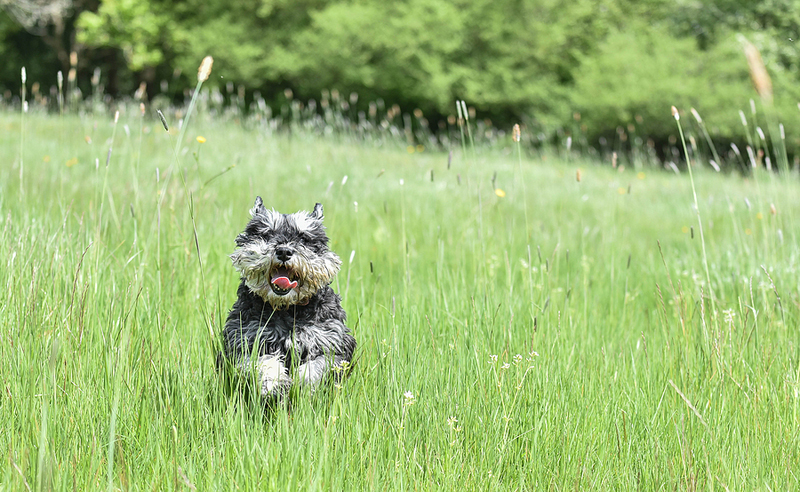
For dogs, the head, neck, and shoulders are the best places to look for ticks, OVC reports, while, for cats, the parasites can mostly be spotted on the head and neck area. Pet owners should examine these spots after walking in wooded or brushy areas or in locales with long grass when temperatures are above freezing.
“We learned from the study that blacklegged ticks in particular are becoming prevalent in the central and eastern provinces and show at least some activity all year long,” DeWinter says. “In Ontario and Québec, blacklegged ticks were submitted most often between April to July, with peak activity in May. These ticks declined in the hotter months of June, July, and August, with a peak again in September to November.”
“The hope is that knowing these patterns and checking pets at the right time of year and in the right places will help pet owners find and remove ticks faster, preventing disease,” she adds.
The study suggests herding, sporting, terrier, toy, and work breed canine groups have higher odds of attracting blacklegged ticks compared to dogs of non-sporting breeds.
“It’s pretty typical for those types of dog breeds to live an active, outdoor lifestyle,” DeWinter says. “Breeds within those groups, like cattle dogs, collies and retrievers, are commonly bred for outdoor work and recreation that make them more inclined to encounter ticks while using the same spaces.”
Recent increase in tick exposure has led to a rise in tick-borne pathogens like Borrelia burgdorferi, the contributing cause of Lyme disease, which has become the most reported tick-borne disease in North America among humans and dogs, OVC reports.
“The key takeaways for this study for veterinarians and pet owners should be that, as climate change lengthens the tick season, checking dogs and cats for ticks should happen frequently,” DeWinter says.

Sign up for our newsletter
Get all the latest news and features from Veterinary Practice News Canada. Submit your email below to get our twice-monthly newsletter.
Read the Latest Issue

