
The fresh pet food movement
A look into the trends, evidence, and veterinary perspectives on home-prepared diets and fresh food options for dogs and cats.
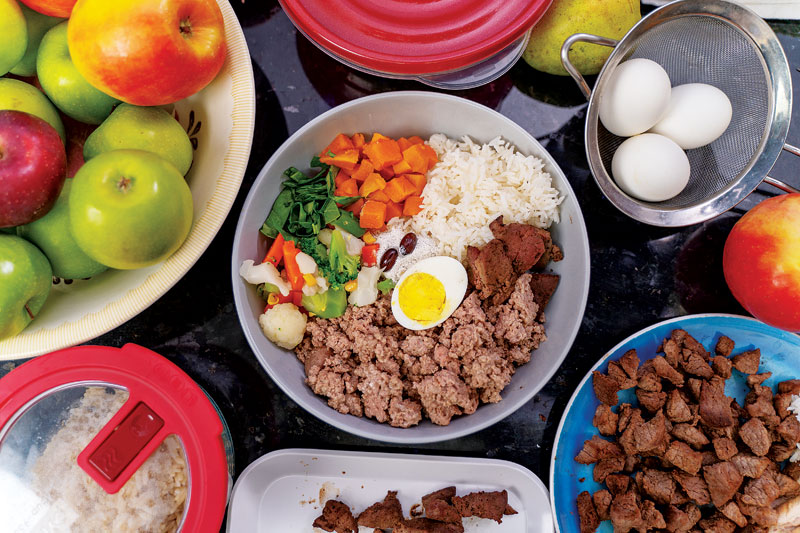
When we visit our doctor, we are advised to eat fresh foods, include more fruits and vegetables in our diet, shop along the perimeter of the grocery store, and avoid processed foods whenever possible. The Mayo Clinic states that “fresh foods are generally healthier than the processed foods.”1 Canada’s Food Guide emphasizes choosing a variety of nutritious foods each day, specifically vegetables and fruits, whole grain foods, and protein foods, that have little to no added sodium, free sugars, or saturated fat. It encourages making water your drink of choice and choosing plant-based proteins more often.2
Pet parents also hear this message as they increasingly view their pets as family members. Naturally, they wish to apply this advice to the entire family and are seeking fresh, refrigerated, and frozen pet foods.
Fresh pet food is the fastest-growing segment of the pet food market worldwide, according to the pet food industry. In the Packaged Facts report, Canadian Pet Market Survey, 4th Edition (2025), market analysts noted that while pet food retail sales in Canada reached $6.7 billion in 2024, growth is increasingly driven by a “pet parent” mentality and interest in fresh or human-grade formulations.3,4
Since the COVID-19 pandemic, more pet owners have been working remotely and spending time at home bonding with their pets. Pet adoptions have increased, resulting in a higher demand for pet care and increased spending on pet food. Home cooking has become more prominent due to COVID-induced disruptions in supply chains, and the demand for veterinary nutritionists has increased over the past several years. Appointment offerings at university clinical nutrition services may take up to three months for the next available time slot. Recent data shared from an independent diet formulation service provided by veterinary nutritionists indicated a 100 per cent increase in monthly consult requests since 2019.5
Pet owner motivations for feeding fresh foods or less processed diets include feelings of inclusion of the pet as part of the family or culture, claims of nutritional superiority, perception that they are on a more natural diet or one more similar to a wild-type diet.6-8
Recent surveys and published studies indicate that the humanization of pets is associated with a desire to feed healthy, high-quality diets that are less processed. One survey of 2,181 pet owners showed 87 per cent were highly bonded with their pet, and 53.1 per cent of pet owners reported giving the same or a higher priority (43.7 per cent) to purchasing healthy food for their pet rather than for themselves. Pet owners were reported to assess the ingredients, freshness, and healthfulness of a commercial pet food when deciding whether to purchase it.9
In veterinary practice, it is important to recognize pet owners’ motivations behind feeding fresh food, and practitioners can provide a balanced, unbiased perspective. Although fresh pet food remains a specialized segment, it is a key driver of market premiumization, with dog food maintaining the largest share at over 66 per cent of the total sector. This trend is expected to stimulate further product innovation in the cat food category, which saw a 10 per cent compound annual growth rate leading into 2025.10
Health benefits of fresh foods
There is currently a paucity of research evaluating the impacts of feeding different diets to dogs or cats throughout their lifetime. A few studies have examined short-term feeding periods and noted some observable differences between feeding less processed diets and more processed commercial kibble or canned diets. One study in kittens compared a commercial canned diet, a commercial raw diet, and a nutritionist-formulated, complete and balanced homemade raw diet for 10 weeks and found no differences in body condition score, weight, height, and length measurements, as well as no statistically significant differences in laboratory parameters. Both the commercial and homemade raw diets passed the Association of American Feed Control Officials (AAFCO) feeding trial criteria, with gains similar to those of the control commercial canned feed group. It was concluded the commercial raw or the homemade raw used in this growth feeding trial were both adequate for feeding growing kittens.11 In several studies, the digestibility of less-processed diets compared to more processed commercial kibble or canned foods was found to be higher but the long-term effects of consuming a diet with higher digestibility on health, disease, and longevity of dogs and cats are unknown.4,11-15
Another study compared “health markers” in 27 dogs fed dry kibble diets to 28 dogs fed less-processed diets evaluating the pet management history, physical examination, complete blood count, urinalysis, and serum biochemistry. A blinded veterinary observer evaluated dental, ear, and coat scores to calculate and assign each dog a clinical composite score (CCS). CCS and coat scores were statistically better in the less-processed diet-fed dogs as compared to those fed more processed commercial kibble. Blood analytes differed between the dogs, with those on less-processed diets having higher platelet counts, higher BUN, 50 per cent lower serum alkaline phosphatase activity (ALP), and lower blood glucose concentrations.16 It was unclear whether these differences were due to variations in macronutrient content or the effects of processing on the pet foods.
Another more recent year-long study evaluated serum metabolomic profiles in senior dogs fed a human-grade food or an extruded kibble and found higher branched chain amino metabolism, creatine, carnosine, anserine, fatty acid metabolism, long chain n-3 fatty acids, lipolysis, and ketogenesis, and decreased advanced glycation end products, fatty acid synthesis, and creatinine in the human-grade fed group although macronutrient differences were noted between the diets.17 Further research is needed to control differing diet macronutrient levels and to understand the long-term health effects of these differences.
Understanding homemade diets
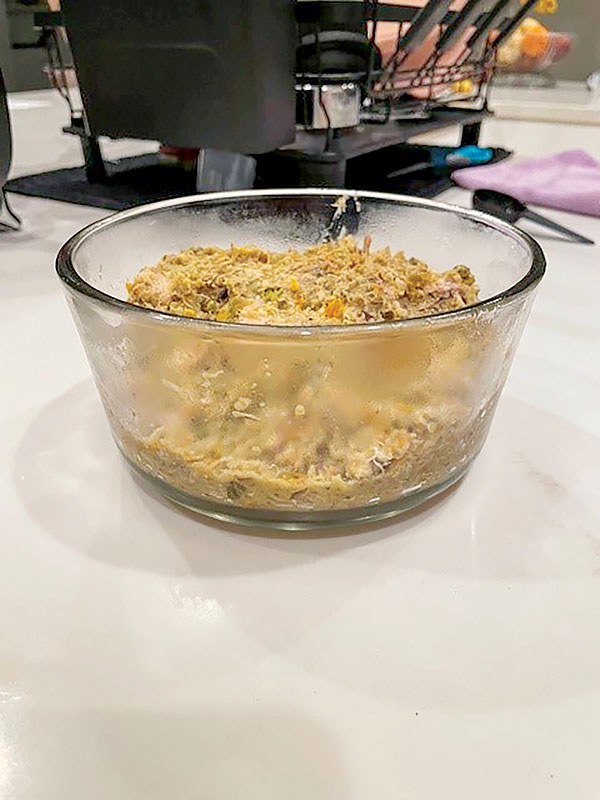
Home-prepared diets, which owners can learn about through various sources including the internet, pet magazines, and books written by veterinarians and non-veterinarians with varying levels of training in nutrition, are typically composed of either raw or cooked foods. A 2019 study found that the proportion of pets exclusively fed “conventional” diets (commercially available, heat-processed products, typically kibble or canned foods) decreased from 65 to 13 per cent in dogs, and from 85 to 32 per cent in cats, indicating that pet owners are increasingly interested in feeding their pets other food forms.18 Studies examining the nutritional adequacy of home-prepared diets have reported potentially significant nutritional imbalances, however. A study evaluated 200 published home-prepared recipes for adult maintenance in dogs written by veterinarians (64.5 per cent) and non-veterinarians (35.5 per cent) and revealed at least one deficiency in an essential nutrient, according to the National Research Council (NRC) or AAFCO guidelines in the majority of diets (95 per cent), while 83.5 per cent of recipes had multiple deficiencies.19 Nutrients that have been noted most frequently to be absent in homemade diets include calcium, phosphorus, and vitamin D. Nutritional imbalances can result in secondary hyperparathyroidism with clinical signs including spontaneous fractures, muscle twitching, seizures, and limb deformities.20-22
Veterinarians should be comfortable discussing and evaluating homemade diets on a surface level. Discussion with pet owners about the risks or benefits of homemade cooked or raw diets is required and should be documented in the medical records.
Exposure to pathogens from food (E. coli, listeria, salmonella) with raw feeding is particularly a concern among elderly, young, pregnant, lactating, or immunocompromised pets and people. Pet owners should consult a board-certified veterinary nutritionist for guidance if they want to home-prepare any diet, whether cooked or raw. Your team can advise clients to find a board-certified veterinary nutritionist, diplomate ACVIM (Nutrition), who can formulate homemade diets for clients with referral.23
Realities of fresh pet foods
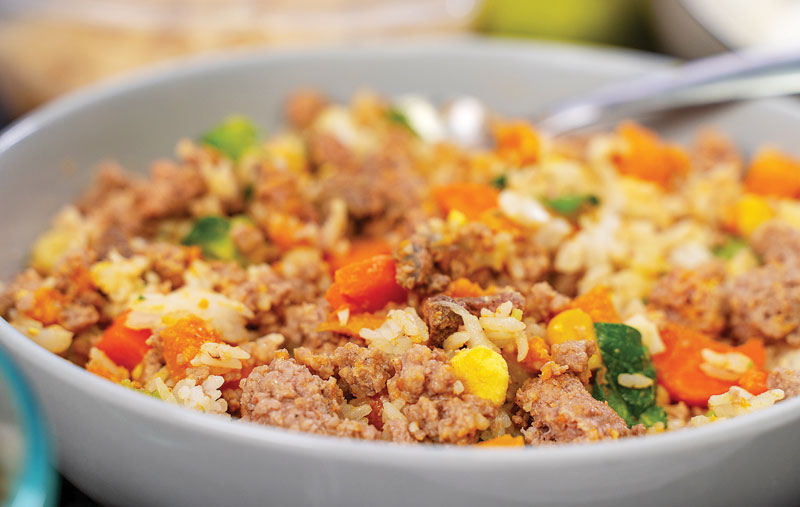
Commercial fresh pet foods and homemade foods may be more costly to feed than commercial kibble and canned food options. One study in 2020 examined the cost of feeding different diet forms including dry kibble, canned, or homemade foods.24
Commercial dry foods in all categories (super premium, premium, and standard) presented lower costs versus wet foods and homemade diets. If additional “functional” ingredients are added to the foods, such as omega-3 fatty acids, glucosamine, or probiotics, this will increase the cost of the diet whether it is homemade or commercial.
Wet foods presented higher costs when compared to dry foods or homemade foods, which may be related to the higher inclusion of proteins and fats, or higher packaging and shipping costs. Proteins and fats are expensive ingredients in pet foods compared to less expensive carbohydrates. Additionally, wet foods contain at least 60 per cent moisture (some exceed 80 per cent), while dry kibble has an average of eight to 10 per cent, resulting in a lower energy density in wet foods. This increases the volume of food intake necessary to meet the daily calorie requirement, and it also increases packaging costs due to the necessity for smaller, individual pouches or cans, as well as higher shipping weights.
The costs involved in preparing a homemade diet will include the resources needed for the cooking process (water, energy, and heat (gas/electric), as well as the owner’s time spent shopping and preparing the food. Costs may also be incurred for storing ingredients and meals that require freezing or refrigeration. Ingredients selection will greatly impact the diet costs.
In the 2020 study, it was noted that chicken-based homemade diets presented a lower cost than beef-based diets, with a difference of approximately 43 per cent. Similar to commercial foods, the protein source (type and amount) will influence the total expense, with exotic or difficult-to-source proteins significantly increasing the diet cost. Setting protein amounts in the homemade diet extremely high will also require a larger investment from the pet owner to prepare the diet. Supplementation of the diet with a high-quality, reliable vitamin-mineral supplement is mandatory for homemade diet preparation to achieve a balanced daily diet. The price of the supplement and shipping costs must practically be included in the cost of preparing a homemade diet.
Using a homemade diet in place of a therapeutic commercial diet will also not save costs for most pet owners. For therapeutic diets, in general, the cost of homemade diets containing chicken breast was 15.18 per cent to 52.47 per cent higher than commercial foods, depending on the specific disease condition of the pet. Beef as the protein source will additionally increase the cost by 38.88 per cent to 100.69 per cent.25
Actual costs for feeding adult dogs at maintenance have been found to range from $5.67 (US$3.99) per 1,000 kilocalories of homemade diets, compared to $1.70 (US$1.20) per 1,000 kilocalories for dry diets and $7.90 (US$5.56) per 1,000 kilocalories for wet diets. In contrast, another study on homemade diets for chronic kidney disease found that the homemade diet was the least expensive type of diet, followed by dry and wet therapeutic diets ($2.56 (US$1.80), $3.10 (US$2.18), and $8.11 (US$5.71) per 1,000 kilocalories, respectively).26
As the demand for fresh, less-processed pet foods continues to grow, it is clear that pet owners are striving to extend their own health-conscious habits to their animal companions. While this trend reflects a positive desire to improve pet wellness and strengthen the human-animal bond, it also means veterinarians must educate themselves on the new food forms available to pet owners and the challenges they may present in terms of nutritional adequacy, safety, and cost. Veterinary professionals play a vital role in guiding owners through these choices, helping them discern marketing from science, and ensuring pets receive complete and balanced nutrition. With collaboration between pet owners, veterinarians, and board-certified veterinary nutritionists, the movement toward fresh and whole pet foods can evolve responsibly—promoting both the enjoyment and the long-term health of the pets we consider family.
Laura B. Gaylord, DVM, DACVIM (Nutrition), is an independent consultant and the owner/founder of Whole Pet Provisions, PLLC, a nutrition consulting company established in 2016, which offers veterinary nutrition consulting to pet owners, veterinarians, the pet food industry, and pet supplement companies. Dr. Gaylord offers homemade diet recipe formulation and commercial diet consultations through her business for pet parents and their veterinary teams.
References
- https://www.mayoclinichealthsystem.org/hometown-health/speaking-of-health/grocery-store-tour-shopping-the-perimeter. Accessed 11/4/2025.
- Canada’s Food Guide, 2025. https://food-guide.canada.ca/en/. Accessed 12/23/2025.
- https://www.freedoniagroup.com/packaged-facts/canadian-pet-market-survey. Accessed 12/23/2025.
- Algya KM, Cross TL, Leuck KN, et al. Apparent total-tract macronutrient digestibility, serum chemistry, urinalysis, and fecal characteristics, metabolites and microbiota of adult dogs fed extruded, mildly cooked, and raw diets1. J Anim Sci 2018;96:3670–3683.
- Dr. Rebecca Remillard PD, Inc., Veterinary Nutritional Consultations, Inc. In: Gaylord DL, ed, 2022.
- Michel KE. Unconventional diets for dogs and cats. Vet Clin North Am Small Anim Pract 2006;36:1269–1281, vi–vii.
- Freeman LM, Chandler ML, Hamper BA, et al. Current knowledge about the risks and benefits of raw meat-based diets for dogs and cats. J Am Vet Med Assoc 2013;243:1549–1558.
- Parr JM, Remillard RL. Handling alternative dietary requests from pet owners. Vet Clin North Am Small Anim Pract 2014;44:667–688, v.
- Schleicher M, Cash SB, Freeman LM. Determinants of pet food purchasing decisions. Can Vet J 2019;60:644–650.
- https://agriculture.canada.ca/en/international-trade/reports-and-guides/sector-trend-analysis-pet-food-trends-canada.
- Hamper BA, Bartges JW, Kirk CA. Evaluation of two raw diets vs a commercial cooked diet on feline growth. J Feline Med Surg 2017;19:424–434.
- Beloshapka AN, Duclos LM, Vester Boler BM, et al. Effects of inulin or yeast cell-wall extract on nutrient digestibility, fecal fermentative end-product concentrations, and blood metabolite concentrations in adult dogs fed raw meat-based diets. Am J Vet Res 2012;73:1016–1023.
- Bermingham EN, Maclean P, Thomas DG, et al. Key bacterial families (Clostridiaceae, Erysipelotrichaceae and Bacteroidaceae) are related to the digestion of protein and energy in dogs. PeerJ 2017;5:e3019.
- Kerr KR, Beloshapka AN, Morris CL, et al. Evaluation of four raw meat diets using domestic cats, captive exotic felids, and cecectomized roosters. J Anim Sci 2013;91:225–237.
- Kerr KR, Vester Boler BM, Morris CL, et al. Apparent total tract energy and macronutrient digestibility and fecal fermentative end-product concentrations of domestic cats fed extruded, raw beef-based, and cooked beef-based diets. J Anim Sci 2012;90:515–522.
- Hiney K, Sypniewski L, Rudra P, et al. Clinical health markers in dogs fed raw meat-based or commercial extruded kibble diets. J Anim Sci 2021;99.
- Yamka R, Sires R, Wakshlag J, Huson HJ. Serum Metabolomics of Senior Dogs Fed a Fresh, Human-Grade Food or an Extruded Kibble Diet. Metabolites. 2025 Oct 17;15(10):676. doi: 10.3390/metabo15100676. PMID: 41149653; PMCID: PMC12566208.
- Pets now are much more likely to be fed homemade and raw foods. Vet Rec 2020;186:e25.
- Stockman J, Fascetti AJ, Kass PH, et al. Evaluation of recipes of home-prepared maintenance diets for dogs. J Am Vet Med Assoc 2013;242:1500–1505.
- Kawaguchi K, Braga IS, 3rd, Takahashi A, et al. Nutritional secondary hyperparathyroidism occurring in a strain of German shepherd puppies. Jpn J Vet Res 1993;41:89–96.
- Tomsa K, Glaus T, Hauser B, et al. Nutritional secondary hyperparathyroidism in six cats. J Small Anim Pract 1999;40:533–539.
- Hutchinson D, Freeman LM, McCarthy R, et al. Seizures and severe nutrient deficiencies in a puppy fed a homemade diet. J Am Vet Med Assoc 2012;241:477–483.
- https://www.vetspecialists.com/; online last accessed 11/4/2025
- Vendramini THA, Pedrinelli V, Macedo HT, et al. Homemade versus extruded and wet commercial diets for dogs: Cost comparison. PLOS ONE 2020;15:e0236672.
- Casna BR SM, Delaney SJ. Cost comparison of homemade versus commercial adult maintenance canine diets. 17th Annual AAVN Clinical Nutritional and Research Abstract Symposium Proceedings 2017.
- Ma´rquez BP SM, Delaney SJ. Cost comparison of homemade versus commercial renal canine diets. 18th Annual AAVN Clinical Nutritional and Research Abstract Symposium Proceedings 2018.

Sign up for our newsletter
Get all the latest news and features from Veterinary Practice News Canada. Submit your email below to get our twice-monthly newsletter.
Read the Latest Issue

