
Cat coronavirus study reveals clues to long COVID
Veterinary study bridges gap between animal and human medicine in understanding post-viral syndromes
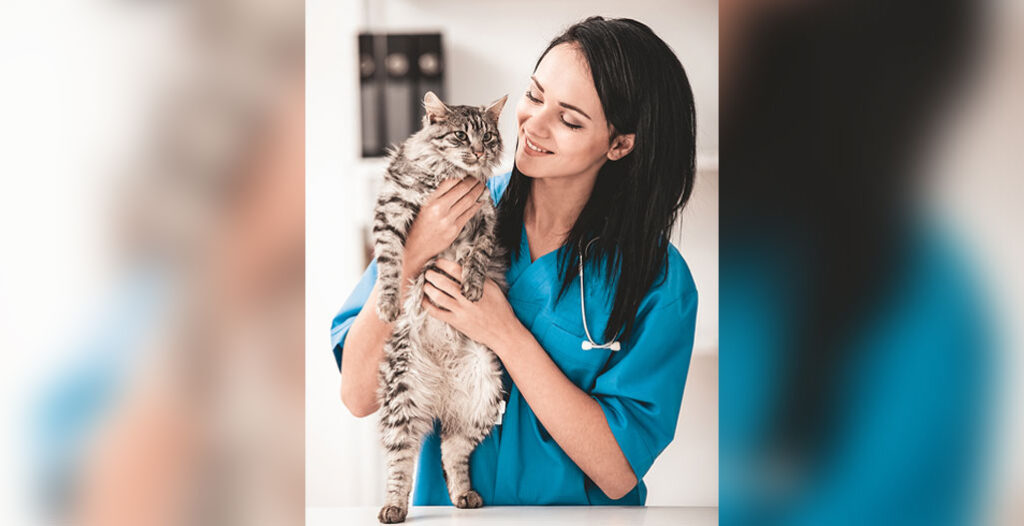
Researchers at the University of California, Davis, have discovered that feline infectious peritonitis (FIP)—a deadly disease caused by a mutated feline coronavirus—infects a wider range of immune cells than previously believed.
The study, published in Veterinary Microbiology, found the virus actively replicates inside B and T lymphocytes, cells critical for immune defence.
This breakthrough challenges long-held assumptions and offers a valuable model for studying chronic coronavirus-related conditions in humans, including long COVID.
“Cats give us a unique opportunity. We can directly study infected immune tissues in a naturally occurring coronavirus disease — something that’s very difficult to do in people,” said lead author Amir Kol.
The team also found viral traces can persist in immune cells even after treatment and apparent recovery.
Because some immune cells live for years, this lingering infection may explain relapses and chronic inflammation, issues that mirror what scientists suspect in long COVID.
By bridging veterinary and human medicine, the research highlights how animal studies can inform strategies to manage post-viral syndromes and chronic inflammation.
Sign up for our newsletter
Get all the latest news and features from Veterinary Practice News Canada. Submit your email below to get our twice-monthly newsletter.
Popular Articles
-
1
-
2
-
3
-
4
-
5
Read the Latest Issue

