
Calgary startup brings cat pain detection tool to NYC shelter
Sylvester.ai expands AI health innovation through shelter collaboration
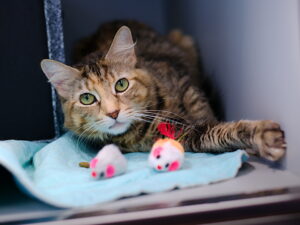
A Calgary-based artificial intelligence company has teamed up with New York City’s largest animal shelter to improve pain detection in cats awaiting adoption.
Sylvester.ai announced its partnership with Animal Care Centers of NYC (ACC) late December, providing the shelter system with free access to its proprietary feline pain detection technology.
The smartphone-enabled tool uses AI to analyze facial indicators such as ear position, muzzle tension, whisker placement and head posture, achieving what the company says is 89 per cent precision in identifying pain.
The technology, already in use by cat caregivers in North America, Europe and the Middle East, has assessed more than 350,000 cat photos to date. It has also been integrated with platforms including CoVet, Nova Vet Family, and Fear Free–certified practices.
Dr. Robin Brennen, senior vice-president of animal health and welfare at ACC, said the tool will help staff and veterinarians quickly assess cats on the spot.
“Cats naturally hide pain, which makes early detection critical, especially in a shelter environment where traditional observation can miss subtle pain indicators,” Brennen said in a statement.
The partnership aims to address a gap in feline health care, where pain often goes undetected until later stages.
By equipping shelter staff and adopters with the technology, Sylvester.ai and ACC hope to improve long-term outcomes and reduce post-adoption returns.
Susan Groeneveld, Sylvester.ai’s founder and chief executive, said the collaboration validates the company’s mission and accelerates its ability to advance AI-driven feline health globally.
“We’re not just deploying technology, we’re building a collaborative model that benefits shelters, vets, adopters, and cats,” she said.
Shelter staff will use the tool during intake and medical assessments, while adopting families will have access through Sylvester.ai’s consumer app for ongoing monitoring.
The company says its development team combines veterinary expertise, animal behaviour science, and AI to tackle a systemic issue: cats receive significantly less medical care and research funding compared to dogs.
Sign up for our newsletter
Get all the latest news and features from Veterinary Practice News Canada. Submit your email below to get our twice-monthly newsletter.
Popular Articles
-
1
-
2
-
3
-
4
-
5
Read the Latest Issue

