
Food for thought on small animal derm issues
For the veterinary team, understanding the evidence behind supportive dermatological nutrients can help inform clinical recommendations and client discussions.
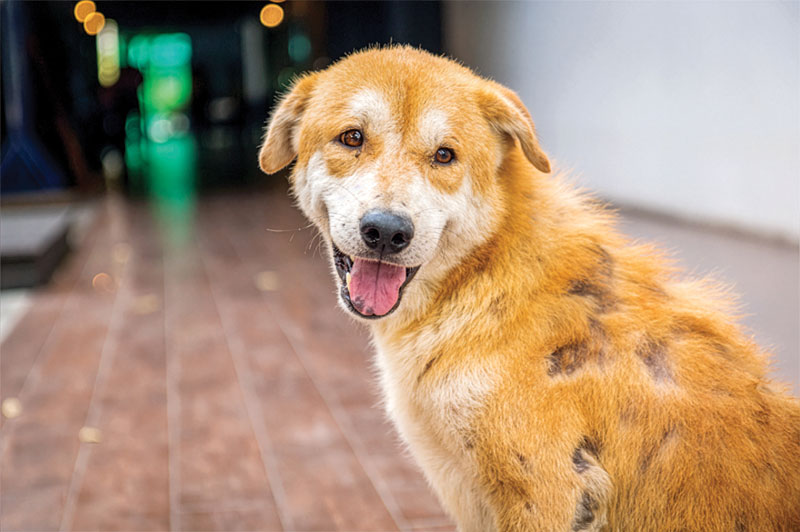
Itching, flaking, and a dull, lackluster coat are presentations most clinicians know well. From ruling out environmental allergies to parasite control, finding symptom relief for these pets can be difficult. For many of these patients, the missing variable can be found in the food bowl.
Skin is the largest organ in the bodies of dogs and cats. As a dynamic barrier against physical, chemical, and infectious insults, the integument requires adequate nutrients, such as protein, lipids, micronutrients, and antioxidants, to maintain structural integrity, support immune function, and regulate inflammation.
In small animal practice, dermatologic diseases are a common reason for clinical presentation, accounting for an estimated 20 per cent of the general practice caseload.1 Nutrition plays an interconnected role in the management of many of these conditions. While complete and balanced diets are sufficient for most healthy patients, targeted nutritional support can serve therapeutic functions, ranging from modulating inflammatory pathways to supporting barrier repair, complementing conventional pharmacologic management. For the veterinary team, understanding the evidence behind supportive dermatological nutrients can help inform clinical recommendations and client discussions.
Protein
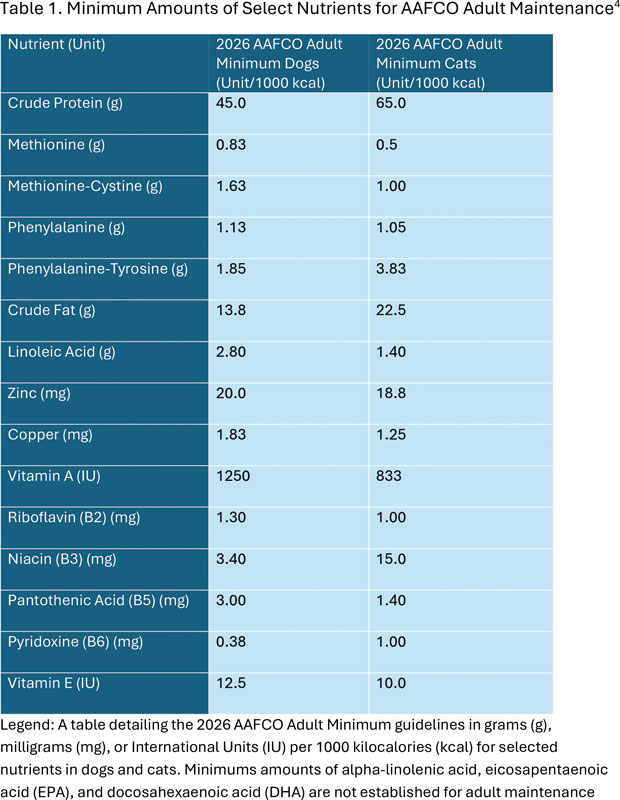
Protein, specifically amino acids, is essential to support the integument of dogs and cats. Skin and hair account for up to 12-24 per cent of body weight in dogs and 2 per cent in cats.2 It is estimated 25-30 per cent of daily protein intake is needed for skin and coat renewal alone. Amino acids, such as methionine and cysteine, are the primary sulfur-containing constituents incorporated into hair, providing structural integrity through keratin formation.2 Tyrosine and phenylalanine provide coat pigmentation. Dermatological lesions due to protein deficiencies include alopecia, scaling, and a brittle/lackluster coat.3 The minimum amounts of protein intake published by the Association of American Feed Control Officials (AAFCO) for adult maintenance in dogs and cats are outlined in Table 1.4 Overt protein/amino acid deficiency dermatoses are uncommon in pets consuming complete and balanced commercial diets that meet minimum daily nutritional requirements.
Polyunsaturated fatty acids (PUFAs)
PUFAs are a group of fatty acids characterized by their chemical composition, which contains multiple degrees of unsaturation (i.e., double bonds being present). PUFAs are further categorized as being omega-3 (n-3), omega-6 (n-6), and omega-9 (n-9) based on the locations of these double bonds. Omega-3 and omega-6 fatty acids are two very important and commonly targeted nutrients for dermatologic health, specifically regarding linoleic acid (LA), an omega-6 fatty acid, and the omega-3 fatty acids alpha-linolenic acid (ALA), eicosapentaenoic acid (EPA), and docosahexaenoic acid (DHA).5,6
Linoleic acid is an important nutrient for skin health because it helps produce prostaglandins and sebum, the oily substance that helps protect the skin and hair from environmental damage. Linoleic acid can be found in concentrated sources, such as canola, corn, walnut, wheat germ, sunflower, and soybean oils, as well as in fatty poultry and pork products and in some seeds, nuts, and grains.5,6
Omega-3 fatty acids, on the other hand, are commonly added to diets to reduce inflammation by inhibiting the production of compounds such as prostaglandins, thromboxane, and leukotrienes.7 However, some nuance is required when targeting these effects. Alpha-linolenic acid, an omega-3 fatty acid most commonly found in plant products like flaxseeds and chia seeds, can have some anti-inflammatory effects itself,6,8 although the omega-3 fatty acids traditionally used for this intent are EPA and DHA. While ALA can be converted into EPA and DHA, the conversion rate is believed to be very low or negligible in dogs and cats, underscoring the importance of consuming intact EPA and DHA for therapeutic goals in skin-supporting diets.6 EPA and DHA are most abundant in marine sources such as fatty fish (salmon, anchovies, mackerel, etc.), fish oils, and algae oils, while ALA is most commonly found in plant sources such as flaxseeds, chia seeds, and walnuts.5,6
The ideal therapeutic dosing of omega-3 fatty acids, namely EPA and DHA, remains an ongoing discussion in pet nutrition. A commonly used reference outlines common indications for fish oil supplementation and recommended dosing targets for these conditions.9
Regarding inflammatory skin diseases, recommended dosing is provided as 125 mg/kg0.75, although this dosing is likely influenced by other variables, such as disease severity, intake levels of other relevant nutrients (i.e., LA, ALA, antioxidants like Vitamin E and selenium, etc.), environmental conditions, and other medical interventions being pursued.9
Micronutrients of interest for skin health
Zinc
Zinc is an essential mineral in the diets of dogs and cats that plays many roles in health, including supporting growth and development, immune functions, and antioxidant pathways.10 With regard to skin and coat health, zinc is important for epidermal proliferation and for supporting various metabolic pathways involving essential fatty acids, such as LA.3,11
Zinc is also a cofactor in the superoxide dismutase and glutathione peroxidase antioxidant pathways. As a result, adequate zinc intake is essential for supporting healthy skin and coat function, especially in pets affected by dermatologic disease.
Copper
Copper, like zinc, is an essential mineral in the diet of dogs and cats that plays many roles in maintaining health, including supporting energy production, antioxidant systems, neurotransmitter production, and skin and coat health.12 Regarding dermatologic health, copper’s role in enzyme pathways is critically important. Copper is required for the enzymes tyrosinase, sulfhydryl oxidase, lysyl oxidase, and superoxide dismutase, which are necessary for pigmentation, keratinization, collagen formation, and antioxidant activity, respectively.12 Sufficient copper intake is thus very important for providing a stable baseline for integumentary health.
Vitamin A
Vitamin A, a general categorization of retinol and its related compounds, is essential for the dermatologic and overall health of dogs and cats. One unique consideration regarding Vitamin A requirements for dogs and cats is that while dogs can use beta-carotene for conversion to retinol, cats cannot do so in sufficient quantities to meet their nutritional needs. As a result, cats must consume preformed retinol to meet nutritional requirements.13,14
Vitamin A plays a pivotal role in cellular development throughout the body, namely cell growth and differentiation, as well as sebum production. In the skin and hair coat, this is important for a healthy, functioning skin barrier and vibrant coat. Vitamin A deficiency is very rare in companion animals but can present as hyperkeratinization, alopecia, a dull or poor hair coat, an oily texture to the skin/coat, epidermal scaling, and secondary pyodermas.3,14
B-Vitamin complex
B vitamins are water-soluble micronutrients involved in multiple biochemical pathways required for skin barrier function. Most pathological presentations result from vitamin deficiencies and are characterized by nonspecific lesions, such as scaling and a dry hair coat.
- Inadequate intake of Vitamin B2 (riboflavin) results in alopecia (head and neck distribution in cats), flaky skin, and gross changes to the sebaceous glands.15
- Vitamin B3 (niacin) has been previously studied for its role in steroid-sparing immunomodulation in canine autoimmune dermatoses.
- B5 (pantothenic acid) is a vital component in the synthesis and metabolism of coenzyme A for fatty acid synthesis in reinforcing the integrity of the dermal barrier.17–19 A previous publication in dogs demonstrated that supplementation of Vitamins B3 and B5 resulted in improved stratum corneum quality and reduced transepidermal water loss.3
- Vitamin B6 (pyridoxine) is involved with keratin and collagen production through the involvement of protein synthesis in amino acid metabolism.19 Deficiencies in Vitamin B6 result in microcytic, hypochromic anemia in both dogs and cats, as well as the generalized dermatological lesions previously described.
- Vitamin B7 (biotin) acts as a cofactor in carboxylation reactions in fatty acid synthesis, thus supporting epidermal cells. Biotin deficiency is uncommon in dogs and cats, but has been documented in association with excessive raw egg white consumption, due to biotin-binding properties of avidin, or with prolonged oral antibiotic therapy that reduces intestinal bacterial synthesis.19
True dietary deficiencies of B vitamins are rare in dogs and cats fed complete and balanced commercial diets. A consensus on dosing for the discussed B-vitamins is not established for dermatological diseases, although the AAFCO has established minimums for riboflavin, niacin, pantothenic acid, and pyridoxine for adult maintenance (Table 1).4 Sources of B-vitamins are highest in organ and muscle meats, eggs, fish, and fortified grains.
Antioxidants
Antioxidants are a broad category of compounds that collectively serve to neutralize free radicals (molecules with unpaired electrons) and prevent them from damaging cell membranes, DNA, and proteins in the body. Many antioxidants have multiple mechanisms of action, but commonly cited ones include Vitamin E, Vitamin C, Vitamin A, selenium, glutathione peroxidase (which involves selenium and zinc), and superoxide dismutase (which involves copper). In dermatologic diseases, it is theorized that free radicals can contribute to ongoing inflammation and impede the normal processes of cellular development and turnover that are integral to optimal skin barrier function.20 An in-depth discussion of this multitude of metabolic pathways is beyond the scope of this piece; however, the importance of antioxidants for integumentary support is nonetheless worth acknowledging in clinical decision-making.
Many nutrients play diverse yet critically important roles in maintaining skin and coat health, with a growing body of evidence supporting targeted nutritional interventions for dermatologic disease. As research in veterinary nutrigenomics advances, individualized dietary protocols may increasingly complement conventional pharmacologic management. For the veterinary team, evaluating nutritional adequacy beyond minimum requirements and across all sources, including food, supplements, and treats, is a meaningful step toward more complete dermatologic and overall health care.
Lauren Tseng, DVM, is residency-trained in small animal clinical nutrition and serves as the director of Veterinary Outreach for JustFoodforDogs. Dr. Tseng leads scientific content development, continuing education programming, and strategic partnerships with veterinary professionals nationwide.
Chris Margrey, DVM, DACVIM (Nutrition), is serves as the director of Veterinary Nutrition for JustFoodForDogs. Dr. Margrey leads the Custom Diet Service and supports research and development goals for JustFoodForDogs.
Both authors can be reached through the veterinary team e-mail at vetteam@justfoodfordogs.com
References
- Hill PB, Lo A, Eden C a. N, et al. Survey of the prevalence, diagnosis and treatment of dermatological conditions in small animals in general practice. Veterinary Record. 2006;158(16):533-539. doi:10.1136/vr.158.16.533
- Connolly ED, Wu G. Functions and Metabolism of Amino Acids in the Hair and Skin of Dogs and Cats. In: Wu G, ed. Nutrition and Metabolism of Dogs and Cats. Springer Nature Switzerland; 2024:135-154. doi:10.1007/978-3-031-54192-6_6
- Shmalburg J. Diets and the Dermis: Nutritional Considerations in Dermatology. Today’s Veterinary Practice. March 9, 2017. Accessed March 10, 2026. https://todaysveterinarypractice.com/nutrition/acvn-nutrition-notesdiets-dermis-nutritional-considerations-dermatology/
- Association of American Feed Control Officials. 2026 Official Publication. Association of American Feed Control Officials, Inc.; 2026.
- Lenox C. Role of Dietary Fatty Acids in Dogs & Cats. Today’s Veterinary Practice. August 31, 2016. Accessed March 10, 2026. https://todaysveterinarypractice.com/nutrition/role-of-dietary-fatty-acids-in-dogs-cats/
- Burron S, Richards T, Krebs G, et al. The balance of n-6 and n-3 fatty acids in canine, feline, and equine nutrition: exploring sources and the significance of alpha-linolenic acid. J Anim Sci. 2024;102:skae143. doi:10.1093/jas/skae143
- Crupi R, Cuzzocrea S. Role of EPA in Inflammation: Mechanisms, Effects, and Clinical Relevance. Biomolecules. 2022;12(2):242. doi:10.3390/biom12020242
- Oh DY, Talukdar S, Bae EJ, et al. GPR120 is an Omega-3 Fatty Acid Receptor Mediating Potent Anti-Inflammatory and Insulin Sensitizing Effects. Cell. 2010;142(5):687-698. doi:10.1016/j.cell.2010.07.041
- Bauer JE. Therapeutic use of fish oils in companion animals. Published online December 1, 2011. doi:10.2460/javma.239.11.1441
- Cai Z, Wang J, Zhang Y, et al. Zinc and animal health: an in-depth exploration of its role in physiological functions and regulatory molecular mechanisms. J Anim Sci Biotechnol. 2025;16:169. doi:10.1186/s40104-025-01301-x
- Horrobin DF, Cunnane SC. Interactions between zinc, essential fatty acids and prostaglandins: relevance to acrodermatitis enteropathica, total parenteral nutrition, the glucagonoma syndrome, diabetes, anorexia nervosa and sickle cell anaemia. Med Hypotheses. 1980;6(3):277-296. doi:10.1016/0306-9877(80)90125-5
- Amundson LA, Kirn BN, Swensson EJ, Millican AA, Fahey GC. Copper metabolism and its implications for canine nutrition. Transl Anim Sci. 2024;8:txad147. doi:10.1093/tas/txad147
- Morris JG. Idiosyncratic nutrient requirements of cats appear to be diet-induced evolutionary adaptations. NRR. 2002;15(01):153. doi:10.1079/NRR200238
- Watson TDG. Diet and Skin Disease in Dogs and Cats1. The Journal of Nutrition. 1998;128(12):S2783-S2789. doi:10.1093/jn/128.12.2783S
- Marchegiani A, Fruganti A, Spaterna A, et al. Impact of Nutritional Supplementation on Canine Dermatological Disorders. Vet Sci. 2020;7(2):38. doi:10.3390/vetsci7020038
- Fivenson D. Tetracyclines and Niacinamide as Steroid Sparing Agents in the Treatment of Autoimmune Bullous Diseases: A Short Review. Published online 2020.
- White SD, Rosychuk RA, Reinke SI, Paradis M. Use of tetracycline and niacinamide for treatment of autoimmune skin disease in 31 dogs. J Am Vet Med Assoc. 1992;200(10):1497-1500.
- Edginton HD, Scott DW, Miller WH, Griffin JS, Erb HN. Efficacy of Tetracycline and Niacinamide for the Treatment of Superficial Pemphigus (Pemphigus Foliaceus, Pemphigus Erythematosus) in 34 Dogs (1995–2010).
- National Research Council. Nutrient Requirements of Dogs and Cats. 2006.
- Addor FAS. Antioxidants in dermatology. An Bras Dermatol. 2017;92(3):356-362. doi:10.1590/abd1806-4841.20175697
Sign up for our newsletter
Get all the latest news and features from Veterinary Practice News Canada. Submit your email below to get our twice-monthly newsletter.
Popular Articles
-
1
-
2
-
3
-
4
-
5
Read the Latest Issue

