
Pet anxiety claims rise across Canada, data show
Among the provinces, Nova Scotia recorded the largest increase, with anxiety-related claims reportedly rising 236 per cent over the six-year period.
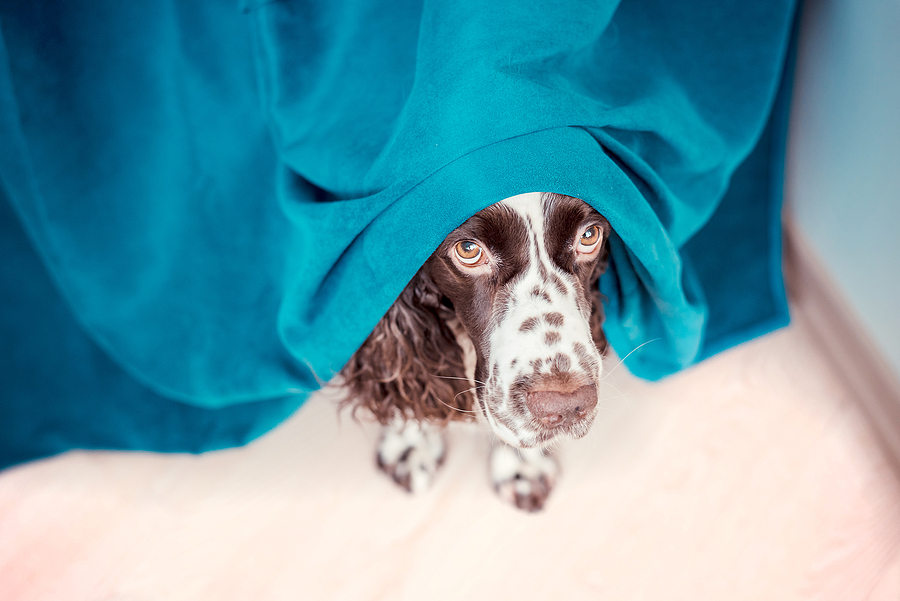
Anxiety-related insurance claims among pets in Canada increased substantially between 2020 and 2025, with several provinces reporting increases of more than 150 percent, according to an analysis by Trupanion.
Across Canada, Nova Scotia recorded the largest increase, with anxiety-related claims rising 236 per cent over the six-year period. New Brunswick followed at 231 per cent, while Newfoundland and Labrador saw a 198 per cent increase. Claims increased 174 per cent in Prince Edward Island, 165 per cent in British Columbia, 156 per cent in Alberta, and 87 per cent in Ontario.
When adjusted for the number of insured pets, Prince Edward Island had the highest rate of anxiety-related claims, at 6.8 claims per 1,000 pets. Nova Scotia followed at 5.3 per 1,000, while British Columbia recorded 4.2, Alberta 3.6, Newfoundland and Labrador 3.3, New Brunswick 3.0 and Ontario 2.9.
Trupanion reported that anxiety-related claims increased 98 percent overall among its insured pets between 2020 and 2025. The insurer paid more than 45,200 anxiety-related claims in 2025, compared with just over 11,600 in 2020. The company’s data scientists found that increases varied considerably by location.
In Canada, the average anxiety-related claim in 2025 was $225 for cats and $268 for dogs. The highest anxiety-related claim during the period was $7,995. Despite the increase in claim volume, average treatment costs have remained relatively stable, according to Trupanion.
The analysis also identified breed patterns. Australian Cattle Dogs had the highest rate of anxiety-related claims among dogs, while Siamese cats ranked highest among felines. Trupanion noted that claims can encompass treatments, such as medications, behavioural modification therapy, and other anxiety-related care.
For the analysis, Trupanion reviewed anxiety-related claims from January 2020 through December 2025. Percentage changes were calculated on a pets-per-month basis to account for changes in the number of insured animals over the six-year period.
The company cautioned that the increase in claims should not necessarily be interpreted as evidence that pets are becoming more anxious. Greater recognition of anxiety, increased time spent with pets and expanded treatment options may all contribute to the trend.
Sign up for our newsletter
Get all the latest news and features from Veterinary Practice News Canada. Submit your email below to get our twice-monthly newsletter.
Read the Latest Issue

