
Closing the care gap
A look at pet insurance as a clinical tool
As someone who has spent the past 25 years at the intersection of pet health and finance, I have seen the veterinary profession reach incredible new heights. Today, veterinary teams have diagnostic tools and surgical expertise to manage even the most advanced cancers and critical care cases. However, as clinical capabilities soar, the bridge between a veterinarian’s expertise and a patient’s recovery is increasingly being severed by a harsh economic reality.
The 2025 PetSmart Charities of Canada-Gallup State of Pet Care Study revealed 50 per cent of Canadian pet owners have declined or skipped necessary care, with nearly 70 per cent citing cost as the primary factor.1 Perhaps even more solemn is that one in three pet owners reported knowing someone whose pet died simply because they could not afford the bill.2
As a profession built on compassion, this places a heavy emotional burden on veterinary teams. While nearly all veterinarians report client finances limit the recommended care they can provide, 73 per cent find it difficult to watch clients struggle to pay, and nearly three in four cite “economic euthanasia” as the most painful part of their career.
With veterinary service prices rising by six to eight per cent annually—continually outpacing general inflation—it is now necessary for the industry to adopt a more sustainable approach to the business of care.
Pet insurance is not just a financial product; it is a practical clinical tool. When a pet is insured, the conversation in the exam room shifts from “What can the owner afford?” to “What does this patient need?” It empowers veterinary teams to recommend the medicine they were trained to practice, ensuring a pet’s survival is based on its physiology and the medical team’s skill, rather than the client’s credit limit.
Here are three case studies that show how changing the conversation from finances to patient-focused care can lead to better alignment between veterinarians and pet owners, thriving pets, and ultimately, lives saved.
1) Orthopedic intervention versus salvage surgery
Location: Cox’s Cove, Nfld.
Condition: Distal femur fracture (trauma)
Insurance paid: $10,142.75
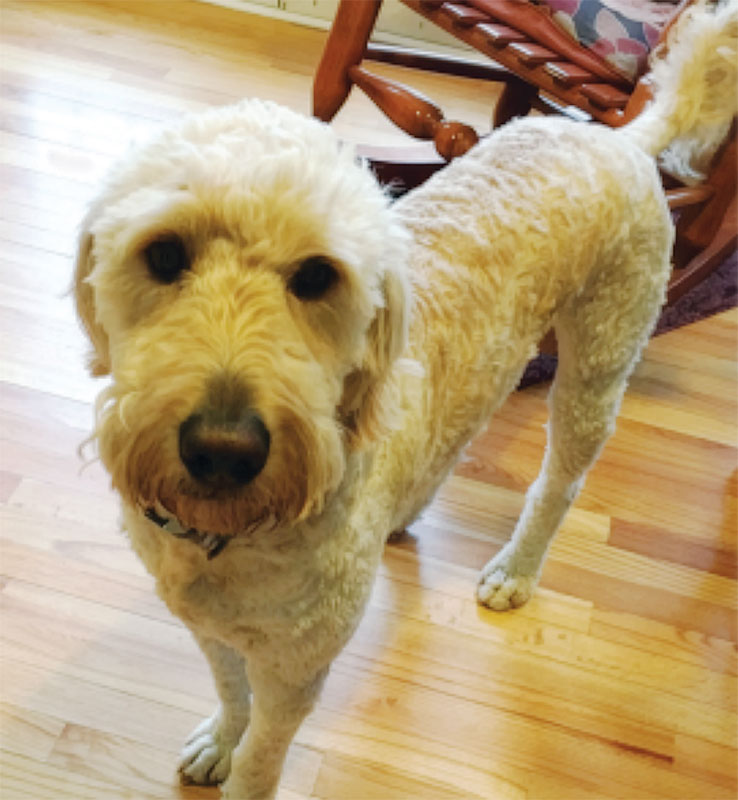
Clinical presentation and emergency stabilization
A young goldendoodle was presented to a local clinic in Newfoundland following a high-impact motor vehicle accident. On presentation, the patient was in a state of traumatic shock, and diagnostic radiographs revealed a fracture of the right femur.
In an effort to avoid amputation and recognizing the complexity of the fracture and the risk of permanent lameness or non-union, the primary care veterinarian referred the clients for advanced limb-sparing surgery. The catch was that the nearest surgical specialist was located at a specialty centre in St. John’s—a 700-km journey from Cox’s Cove.
Surgical and post-operative challenge
Limb salvage in large-breed dogs requires precision and robust hardware. The patient underwent a complex open reduction and internal fixation (ORIF) of the femur. The surgical team used a dynamic compression plate (DCP) secured with nine screws to neutralize the forces acting on the fracture site.
The recovery, however, was not linear. Post-operative complications included a persistent febrile response, significant blood loss requiring a unit of whole blood, and the need for intensive intravenous antibiotic therapy. The patient’s comfort was managed via a constant rate infusion (CRI) of analgesia likely to facilitate early, controlled mobilization.
Clinical takeaway: Insurance as a clinical enabler
This case illustrates how pet insurance shifts the conversation tom “What is the best treatment path for my pet?” The clients noted that without insurance coverage, the cost of specialized hardware and critical care nursing would likely have dictated an amputation.
By removing the financial barrier, the were able to decide based on what was best for their dog rather than finances, while the surgeons pursued the best medical treatment to preserve the dog’s biomechanical integrity.
The patient ultimately regained full weight-bearing mobility, a result only possible because the pet owners had the peace of mind to authorize referral and intensive post-operative care without hesitation.
2) Multimodal oncology and the extended gift of time
Location: Kingston, Ont.
Condition: High-grade soft-tissue sarcoma
Insurance paid: $20,509.70
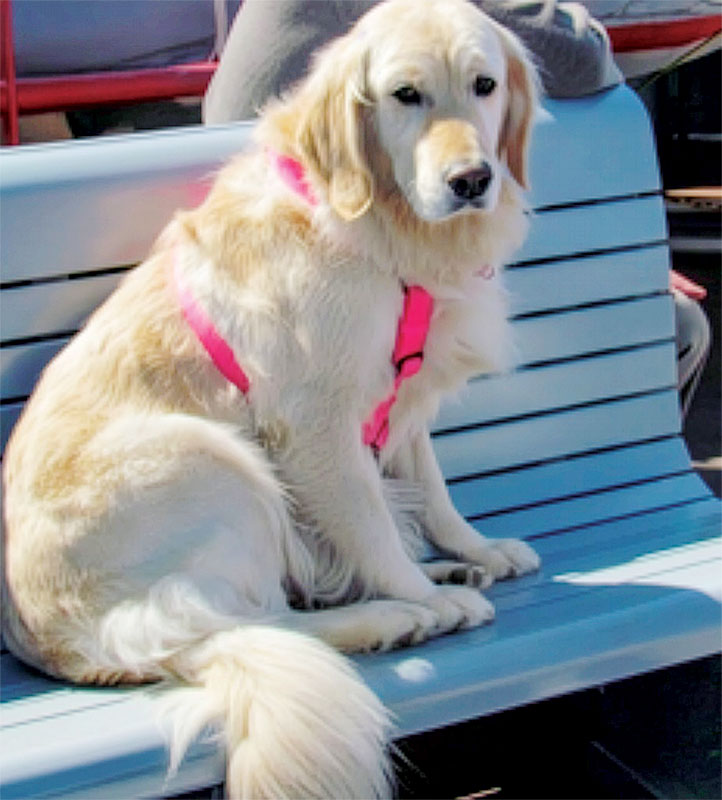
Diagnosis and staging
A rescue dog in Kingston, Ont., was presented with a mass on the rump. An initial, incomplete excision revealed a high-grade, undifferentiated soft-tissue sarcoma with incomplete margins. Given the aggressive nature of these tumours, the patient was referred to a specialty cancer centre for staging.
The diagnostic workup was exhaustive, including thoracic radiographs, abdominal ultrasound, CT, and MRI. Stage 3 cancer was confirmed. Even with aggressive intervention, the prognosis was poor: a 35 per cent survival probability at eight months. In a typical clinical setting, many pet owners would choose euthanasia at this stage due to the cost-to-prognosis ratio.
Multimodal treatment protocol
With their pet insured, the clients elected to pursue a comprehensive multimodal protocol aimed at local control and systemic prevention:
- Radiation therapy: Five weekly fractions of radiation at the previous removal site.
- Chemotherapy: Intravenous doxorubicin administered every three weeks for a five-week duration, followed by a transition to metronomic chemotherapy (daily oral Cyclophosphamide and, later, Chlorambucil after the development of sterile cystitis).
Clinical takeaway: Insurance helps defy the odds
Instead of the predicted eight months, the patient lived for over four additional years. When a secondary, unrelated osteosarcoma appeared years later, the clients again were able to elect for a hemipelvectomy. While the patient eventually succumbed to a systemic infection post-surgery, the insurance policy successfully extended its life by years, not just months.
This case demonstrates that high-quality insurance enables the pursuit of aggressive oncology protocols that can significantly outperform average statistical outcomes.
3) Managing the ‘perfect storm’ of acute crises
Location: Calgary, Alta.
Condition: Sarcoma and gastric dilatation-volvulus (GDV)
Insurance paid: $13,102.96
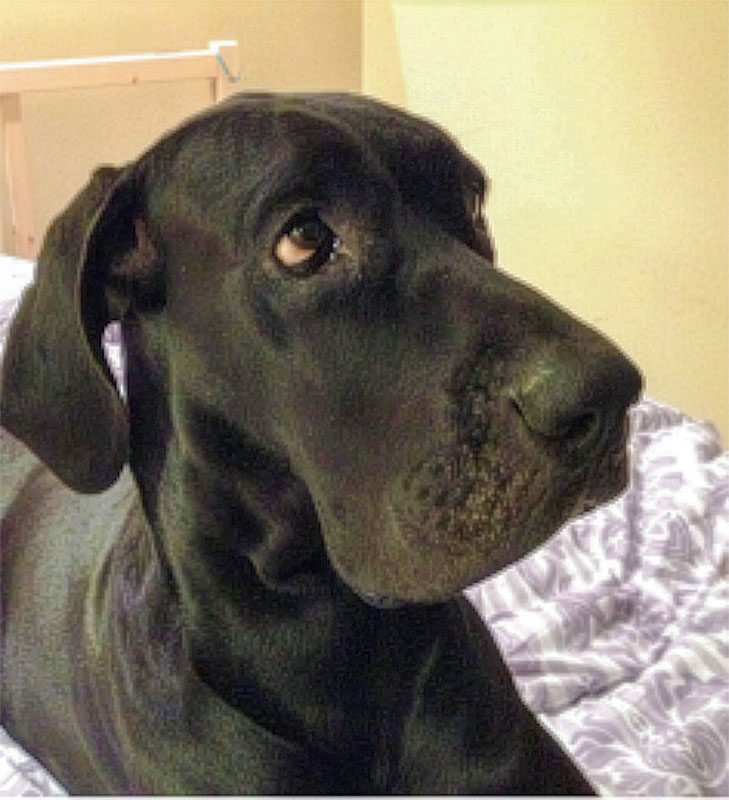
Sequential critical events
This case involves a Great Dane in Calgary that faced a series of life-threatening events that would challenge any clinical team—and any client’s bank account.
It began with a mass on the right hindlimb, diagnosed via cytology as a sarcoma (synovial cell or histiocytic). Following a limb amputation, the patient’s recovery was complicated by sustained ventricular tachycardia (130 BPM) that proved unresponsive to initial IV hydromorphone and lidocaine boluses. Coupled with progressive anemia, the patient required a unit of whole blood and a lidocaine CRI to achieve stabilization before being discharged.
Emergency surgical intervention
Just 48 hours after being discharged from the amputation surgery, the patient returned with abdominal distention, poor pulses, and a critically elevated lactate level. The team provided a dose of hydromorphone, fluid resuscitation, and gastric trocharization to facilitate decompression.
A radiograph confirmed gastric dilatation-volvulus (GDV), a surgical emergency with a known high mortality rate, particularly in a patient already compromised by recent major surgery and cardiac arrhythmias. The elected to proceed with surgery.
Anesthesia was exceptionally high-risk due to a PCV of 28 per cent and hypoalbuminemia, requiring a fentanyl and lidocaine CRI for maintenance. During the emergency surgery, the surgeon performed a derotation of the stomach and a gastropexy while supporting the patient with a whole blood transfusion.
Clinical takeaway: Insurance protects amid worst-case scenarios
This “perfect storm”—an oncology diagnosis, a post-op cardiac crisis, and a gastric torsion within 30 days—is a scenario that often leads to euthanasia due to cumulative costs. However, for this family, whose total claim exceeded $13,000, their pet’s insurance policy covered the needed diagnostic and treatment procedures.
For the veterinarian, having an insured client meant they could perform the necessary life-saving surgeries without the ethical distress of presenting a bill the client could not pay. Insurance enabled the veterinary team to practice emergency medicine despite multiple, back-to-back crises.
The crossroads
The benefits of high-quality pet insurance coverage are clear, and yet, pet insurance penetration in Canada remains below four per cent.3 As the annual cost of owning a pet in Canada continues to climb, the industry stands at a crossroads. It can continue to watch 50 per cent of pet forgo care, or it can begin to integrate high-quality coverage into the very foundation of clinical recommendations.
When we advocate for broader payment options, we are advocating for patients to receive high-level medicine and best possible care. Let’s ensure the next time patients walk into the clinic, the only decision a client has to make is which treatment they choose.
As SVP of Canada Market Growth for Trupanion, Eric Coulson is dedicated to helping Canadian veterinary teams bridge the gap between high-quality care and client affordability. By focusing on data-driven support and ease of use, Coulson is committed to helping clinics thrive while ensuring more pets get the treatment they need.
Disclaimer: Veterinary costs cited in this article are for illustrative purposes and may not reflect current industry pricing. Costs of care can vary significantly based on geographic region, facility type, and the specific medical needs of the individual patient.
References
- Refer to petsmartcharities.ca/press-releases/new-study-finds-affordability-and-distance-keep-many-canadian-pets-from-the-veterinarian
- Learn more at prnewswire.com/news-releases/new-study-finds-more-than-half-of-us-pet-parents-skip-or-decline-needed-veterinary-care-302429953.html#:~:text=The%20study%20also%20found%20that,could%20not%20afford%20necessary%20care
- https://naphia.org/industry-data/section-4-penetration-rates/

Sign up for our newsletter
Get all the latest news and features from Veterinary Practice News Canada. Submit your email below to get our twice-monthly newsletter.
Popular Articles
-
1
-
2
-
3
-
4
-
5
Read the Latest Issue

