
Prescribing peace of mind: Guiding clients on pet insurance
Continuing the insurance conversation at yearly wellness and sick visits can make a huge difference in a pet owner’s ability to provide for their companion in the future
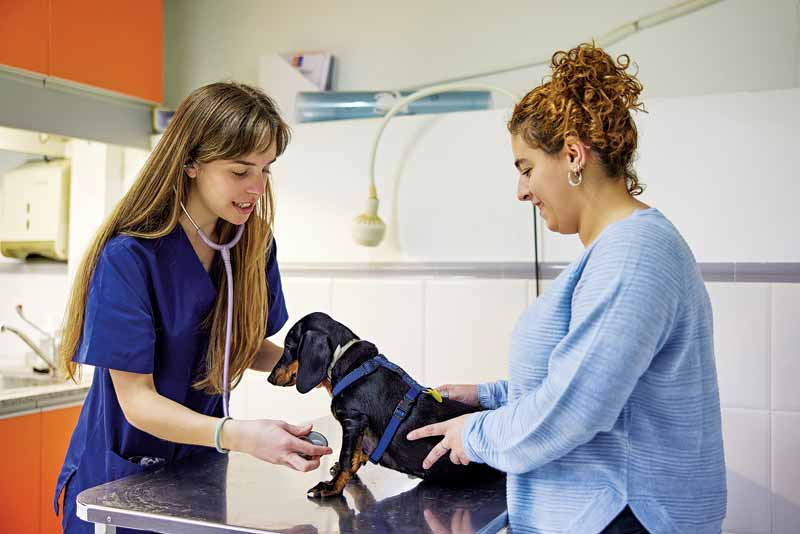
Any experienced veterinarian knows the mad dash of the first appointment with a new client. We have a checklist of about a dozen important items to discuss with new pet owners (spay/neuter, vaccinations, dental care, and dietary recommendations, just to name a few)—and we are lucky if we get to three or four in the allotted time. Pet insurance might not always rank high on that list, especially if you are short a technician and have yet to eat lunch.
However, waiting to bring up pet insurance does a disservice to both the patient and pet owner, not to mention your veterinary staff. Pet insurance can help with the cost of covered veterinary bills if a pet gets sick or hurt—but only if the pet owner purchases it before something goes wrong.
It is worth introducing the topic early on, such as during a new puppy or kitten visit, so your clients can be prepared to give their pets whatever care is required down the road. Even if you do not succeed in your first attempt, continuing the insurance conversation at yearly wellness and sick visits can make a huge difference in a pet owner’s ability to provide for their companion in the future.
More pet owners are purchasing pet insurance each year. According to the North American Pet Insurance Health Association’s (NAPHIA) 2024 State of the Industry Report,1 the total number of insured pets in Canada has increased by an average rate of 17.6 per cent each year since 2018.
Even as pet owners become more invested in their cats and dogs, veterinary staff are uniquely qualified to speak about the benefits of pet insurance from a place of expertise, experience, and pragmatism. Consider these strategies next time you talk about pet insurance with a client, and you might be surprised by how receptive they are.
Position pet insurance as an important factor to consider, not an afterthought
Rather than asking clients if they have thought about pet insurance, when they come in, I typically ask, “Who is your pet insurance provider?”
This simple shift in language suggests pet insurance should be something to consider. By asking about their provider, you encourage the client to do their own research if they have yet to decide on insurance.
Consider your client’s financial priorities
When I was practicing, I would usually introduce the topic of pet insurance at a patient’s establishing care visit. I might ask, “Are you more concerned about affording big issues like major emergencies, or little issues like common illnesses?” to gauge a client’s risk tolerance and financial flexibility.
A pet owner with a higher risk tolerance might just want accident coverage if they are less concerned about future illnesses, which may seem appropriate for a young animal. If your client thinks ahead though, they may want a pet insurance plan that will cover illnesses later on.
Encourage them to think about future costs
To start off, how much is your client expecting to pay for veterinary care in a given year? This number will help them get a sense of what kind of annual or monthly premium they can afford.
You can also pose the question, “What is your financial plan if an emergency were to occur?” No pet owner wants to imagine the worst-case scenario, but it is better to consider the worst as a hypothetical than to live it unprepared.
Prepare your staff to address common client concerns
Predicting the questions your client may have about pet insurance can help provide clients with essential information while making the most of your staff’s time. For example, pet owners might wonder whether knee and ligament conditions are covered by a specific insurance plan, which gets into licensed territory that may be tricky to navigate.
Going through the list of “what-ifs” with a client would take a long time, and you might leave them feeling like more confused about pet insurance.
Try this workaround: The earlier you get pet insurance, the more likely you are to have eligible conditions covered. Pet insurance providers generally do not cover treatment for conditions that were diagnosed before the policy started, so insuring a healthy pet may be the best way to make sure their future health conditions are covered. You should also advise your client to read the insurance policy closely before purchasing.
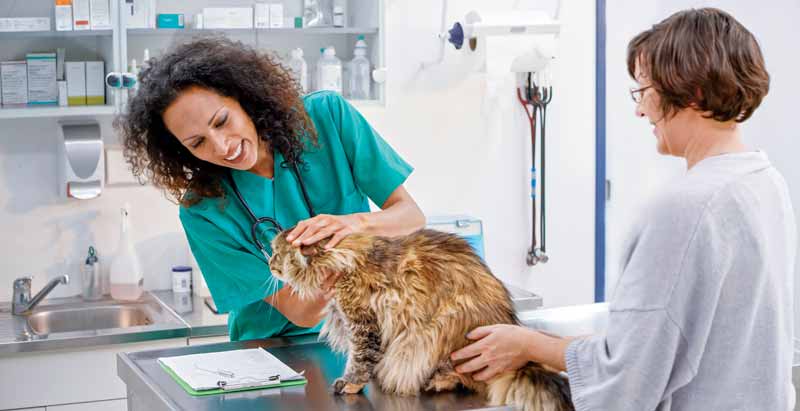
Keep it general to avoid soliciting insurance
As licensing laws in Canada prohibit unlicensed individuals from selling, soliciting, or negotiating insurance, there is some red tape to be aware of when speaking to clients about pet insurance. Stick to the general purpose and high-level benefits of pet insurance and avoid discussing rates or coverage specifics.
If your client asks what pet insurance you use, you can name the provider and speak about your experience. If you do not have pet insurance, you may list some providers with whom you have had positive interactions, but be sure not to frame them as recommendations, or compare providers and their plans directly.
If this makes you nervous, you are not alone. Red tape aside, talking about the financial burden of pet ownership can feel uncomfortable. Yet, I can tell you that the money conversation many of us dread is going to be a lot smoother if you get it out of the way early, rather than waiting until the pet on your table has several pre-existing conditions excluded from coverage.
Display appropriate marketing materials
Many veterinary clinics display pet insurance posters, brochures, and other in-office marketing materials so clients can read about plan specifics directly from the insurance providers. It may help to do your own research and identify a few options that you trust. From there, you can steer clients towards relevant take-home materials, websites, or online comparison tools.
Explain what pet insurance looks like in practice
Perhaps the greatest benefit of insuring your pet is breaking down financial barriers to best-in-class care. Pet insurance can be the difference between “Can I afford it?” and “Of course, let’s do it.” In my experience, clients who have pet insurance are more willing to say “whatever it takes” to our treatment recommendations compared to those who do not have it.
This makes a big difference for the pets, who ultimately receive a higher standard of care and a shot at a longer, healthier life. If we are discussing options for diagnostics and treatment with financial limitations in mind, the veterinary professional might suggest doing the least expensive test first—and if that does not work, trying another one if the client can afford it.
On the other hand, a client with pet insurance is more likely to okay a whole panel of tests (if that is what the veterinarian recommends) in order to get a quicker diagnosis and necessary care.
Separate from the insurance conversation, it may be helpful to share information about common conditions that could be a financial burden in the future, especially if your client is a first-time pet owner. A symptom such as gastrointestinal upset could require diagnostic testing and expensive medication if it becomes a recurrent issue.
Also, remember to consider breed-specific health challenges when dealing with a purebred pet. For instance, make sure French bulldog owners are aware of their pets’ risk of brachycephalic obstructive airway syndrome (BOAS). You cannot guarantee that these conditions will be covered by insurance (and it would be illegal to imply that), but at least you can highlight areas for them to research later on.
Highlight the increasing importance of pet insurance today
While pet insurance is more accessible now than ever before, according to NAPHIA, the vast majority of the 170.4 million pets in North America are still uninsured. In Canada, the average penetration rate for pet insurance is 3.52 per cent.
The pet health industry is not immune to inflation—in fact, veterinary costs have skyrocketed in recent years.2 A recent study published by the Toronto Humane Society found that veterinary costs increased significantly from 2007 to 2020. In that same period, researchers noted a 30 per cent decrease in clients per veterinarian, suggesting that higher costs may be associated with a decline in pet care.3
Pet insurance can help offset the rising cost of veterinary care, leading to better outcomes for pets and smoother interactions with clients. If you have ever had to euthanize a pet for a treatable condition or helped a client re-home their pet due to financial strain, you already know that avoiding these worst-case scenarios is priceless. Broaching the topic early on, despite the time constraints and complexities involved, will spare you and your client from the tougher conversations that may come up when a pet gets sick or hurt.
So, next time a client says, “If I buy pet insurance and don’t use it, I’m basically paying money for nothing,” remind them that it’s not for nothing if you count peace of mind. Pet insurance is meant to help pet owners afford the cost of care their companion animals might need—and if your pet lives a long and healthy life without requiring lots of veterinary care, that is a good thing.
References
- https://naphia.org/industry-data/section-2-total-pets-insured/
- https://www.veterinarypracticenews.ca/canadian-study-unveils-key-insights-into-access-to-veterinary-care/
- https://pubmed.ncbi.nlm.nih.gov/38164387/
Laurel Anderson is a veterinarian and Senior Pet Claims Analyst at Pumpkin (www.pumpkin.care). Before entering the world of pet insurance, she worked at Banfield Pet Hospital in Vancouver, Washington. She is a graduate of Oregon State University’s Carlson College of Veterinary Medicine. When not lounging in the garden with her Mason bees, Laurel enjoys watching scary movies with her partner and their three spoiled cats.
Sign up for our newsletter
Get all the latest news and features from Veterinary Practice News Canada. Submit your email below to get our twice-monthly newsletter.
Read the Latest Issue

